
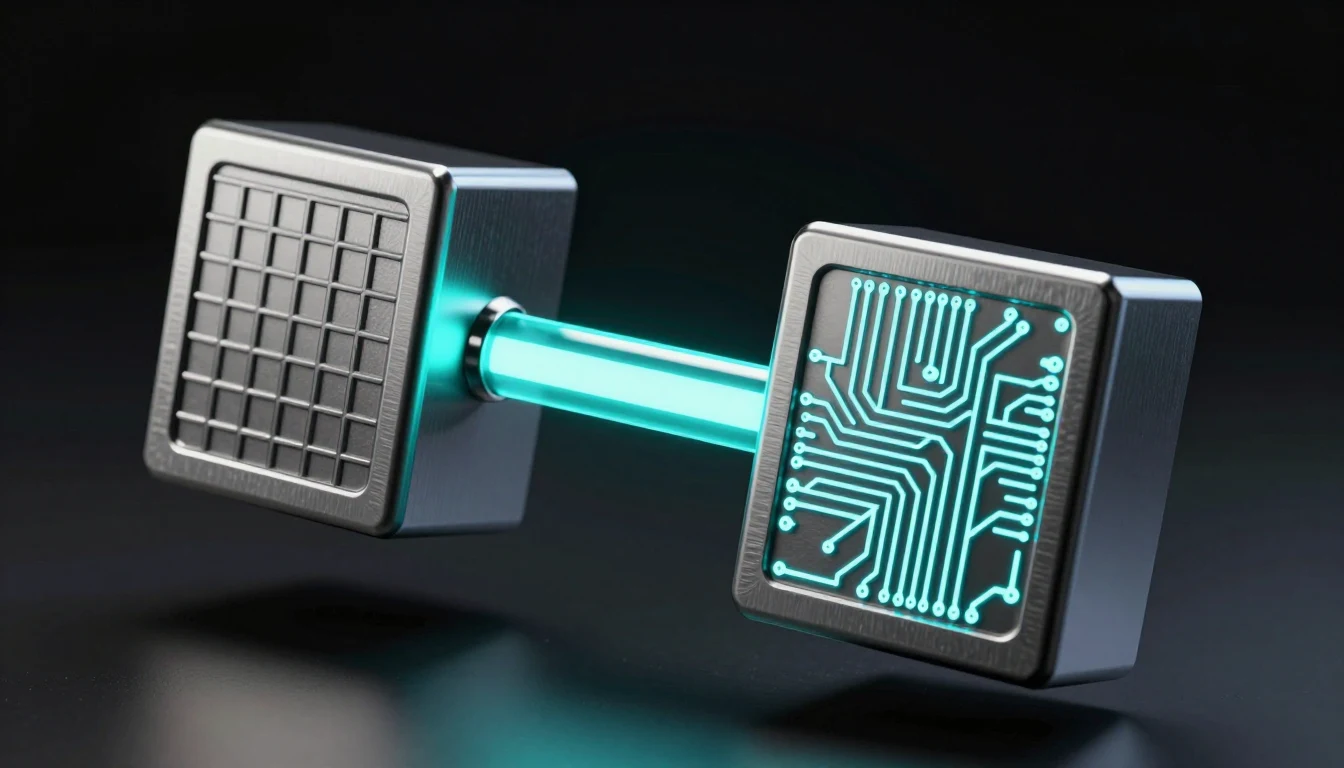
The buy-versus-build call for AI software comes down to one distinction: buy where your need is standard, build where your workflow is the edge. Nobody should hand-build accounting software, and nobody should run their differentiating process — how they triage leads, quote work, or follow up — inside a generic tool that almost fits. The option most owners don’t know they have is the middle path AI-assisted development just made affordable: buy the platforms, build the glue between them.
When is buying obviously right?
For systems of record and commodity functions, buying wins and it isn’t close:
- The task is identical across your industry — invoicing, payroll, payment processing, calendar booking. There’s no edge in a bespoke invoice.
- Security and compliance ride along. Mature platforms carry the burden of encryption, uptime, and regulatory updates — real work you don’t want to own for a commodity function.
- The integrations already exist. If the tool plugs into your accounting and email out of the box, that’s value custom can’t cheaply replicate.
- The economics say so. If a year of subscription costs less than a build and the fit is genuinely good, buy and move on.
The failure mode on this side isn’t buying — it’s buying around a fit problem: adding tool four because tools one through three each do a fraction of the job.
When does building become necessary?
Three signals, any of which shifts the answer:
- Workflow fragmentation. You’re paying for three subscriptions that each perform 30% of one task, with a human relay race between them. The subscriptions aren’t the problem; the gaps are.
- Per-seat math scaling against you. When adding an employee means another license on every tool, growth is being taxed by software that was supposed to enable it.
- The join doesn’t exist. The question you actually need answered — website leads matched to CRM outcomes matched to ad spend — crosses products, and no vendor sells the joined view of your stack. We hit this same wall in the dashboard generator versus custom decision: cross-system questions require cross-system software.
The build candidate is almost never “replace everything.” It’s the specific workflow where your business wins: the process that makes customers choose you, running the way you run it.
The middle path: buy the platforms, build the glue
This is the strategy we recommend most, because it takes the best of both sides. Keep the trusted heavyweight systems — the CRM, the payments platform, the practice-management suite. Commission small custom software for what’s between them: the sync that moves website leads in automatically, the dashboard that joins their data, the automation that drafts the follow-up.
Glue software is the cheap end of custom — small, well-scoped, and exactly the tier AI-assisted development compressed most. And it fixes the actual daily pain, which was never “our CRM is bad” but “our systems don’t talk, so our staff is the integration.”
Agency Lens A fence contractor client is our textbook case: they buy their payments-and-customer platform — correctly, it’s commodity infrastructure — but website leads were being re-typed into it by hand. We didn’t build them a CRM. We built the automation that syncs each website lead straight in, plus a small admin console around the flow. Buy the commodity, build the edge, own the glue.
The decision checklist
Run each candidate system through four questions:
- Does this task differentiate us locally? Yes → build it your way. No → buy.
- Is it a standard administrative function? Yes → buy, always.
- Are manual workarounds costing real hours weekly? Price them; if labor-plus-errors exceeds a glue build, build.
- Can an existing tool do 80% of it? Buy the 80%, build the connecting 20% — don’t rebuild the engine to fix the hose.
And sequence like the cost guide recommends: smallest build that proves the value, extended as it earns. The glue tier is a natural first project precisely because it’s cheap, contained, and visibly pays.
The fundamentals live in our Custom AI Software hub; the builds themselves are our custom business software work — most of which, candidly, is glue: small owned systems making bought platforms behave like one.
Frequently asked questions
Should a small business build its own AI software or buy subscriptions?
Buy for standard functions — accounting, payroll, payments, email — where mature platforms carry the security and compliance burden for you. Build where the workflow is your actual edge: how you triage leads, quote jobs, or follow up. And for most businesses the best answer is the hybrid — buy the platforms, build the glue that connects them your way.
How do I know my workflow has outgrown off-the-shelf software?
The tell is manual ferrying: exporting CSVs from one tool to paste into another, re-typing website leads into the CRM, or paying for three subscriptions that each do a third of one job. When humans are the integration layer, the workflow has outgrown the tools — and the fix is usually glue software, not another platform.
What does “buy the platform, build the glue” mean?
Keep the heavyweight systems you already trust — the CRM, the payments platform, the booking tool — and commission small custom software that connects them: syncing leads in automatically, joining their data into one dashboard, triggering follow-ups. You get tailored workflow without rebuilding commodity infrastructure, at a fraction of full-custom cost.
Is custom AI software expensive for a small business?
Glue-tier builds — connectors, dashboards, small automations — are the cheap end of custom, and AI-assisted development pulled that cost down dramatically. Full platforms cost more and are usually the wrong first move anyway. Price the manual labor the software eliminates; against a real hours-per-week number, glue builds tend to clear easily.
NW eSource builds the glue tier for a living — lead syncs, joined dashboards, small owned automations on top of the platforms you already pay for. If your staff is currently the integration layer, that’s the conversation.